


Is It The Bride, The Florist, Or Me?
Decorating By DelightsByE Updated 4 Mar 2007 , 3:32pm by DelightsByE

Good morning!
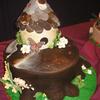
I booked a wedding summer for this 17th of March. Attached is a photo of the cake the bride wants. We agreed on silk hydrangeas to go with this cake. In my contract documents I very specifically talk about the safety of fresh flowers and how it is the bride's responsibility with the help of her florist to determine if the fresh flowers are safe for the cake. Since I have done a little research I already know that hydrangeas are not on the "safe" list.
So yesterday I received a call from the bride, who informed me that her florist was going to place the flowers on the cake rather than having me do it. I asked her if he'd already bought the silks, and she tells me he told her he was going to do fresh.  Now - this is a well-established florist who's been in the area for more than 20 years, she is working with the owner and I have met him. So I casually mention to her that I'm pretty sure fresh hydrangeas are not food-safe, which, I remind her, is why we agreed on silks. And she tells me, "well, Ricky (not his real name) told me it was OK and not to worry about it, he would take care of it." So I said, skeptically, "OK I will call Ricky and make sure we're all on the same page." So I call Ricky and leave 2 messages and he hasn't called me back.
So who's the stupid one in this scenario? The bride, the florist, or ME?? I need help on how to handle this!
Thanks!


I haven't dealt much with real flowers yet but if you know they are not food safe than there is no way I would be responisble for them. I would include somewhere on my contract that if someone should become ill you will not be responsible for it. I can't believe the florist would put them on knowing it could be dangerous. Maybe it is us huh?
Good luck!

Just my opinion but If you are not comfortable with the real ones I wouldnt put them, Afterall if anyone gets sick they will complain about the cake and the baker not thinking that it's the florist who is at fault and may lead to problems for you in the way of potential customers. I would just keep trying to convince the bride that silk is the way to go. Good luck with it looks like a beautiful cake.

If you want the business then I would make her sign a waiver. I think that will cover you. The only other option would be to remain firm with the bride keeping in mind that you may loose her order.
Well, at this point I think the florist is not being wise. Do you have an e-mail address for the florist? If you do, send an e-mail documenting your concerns about the flowers and be sure you keep a copy for yourself. You might send a copy of the e-mail to the bride, too, so she's aware (as if she wasn't already) of your concerns. And it's a good way to cya.
The cake will be beautiful, and silk flowers are very nice. Hydranga don't last more than a couple of hours, if that long, silk really is the to go.

And if the bride and the florist are both stuck on fresh, how do I protect the cake as much as possible from coming into contact with them, without ruining the visual integrity of the cake?
This cake, by the way, will be done in BC instead of the pictured fondant.
Oh - and I apologize for the image quality. It looked fine on my PC before I uploaded it 
While they may not be on the safe list, they are nontoxic. I've used fresh hydrangeas on cake before without incident.
I'm not so much concerned about the non-toxic aspect of the flowers themselves (it's not like anyone might eat them). It's what might be on them, pesticides, chemical stabilizers, etc., not to mention pollen which might prompt an allergy or asthma attack.
I am in a similar situation - for the second time. I think it's misleading that there are so many cakes with hydrangeas on them that are beautiful and brides see the picture and want that cake! One of the wedding cakes in my gallery has no flowers on it because I wouldn't simply lay them on the cake. The caterer (a co-worker of mine) said that after I left they placed them on the cake. I'm working on a cake now for April - she want's frest hydrangeas also. I gave her the list of flowers and had her sign a waiver. The florist is placing them on the cake. They are beautiful and what i've read about them can be deceiving. As khoudek said - "they may not be on the safe list, they are nontoxic". At least have them sign a waiver.
Debbie
While they may not be on the safe list, they are nontoxic. I've used fresh hydrangeas on cake before without incident.
I'm not so much concerned about the non-toxic aspect of the flowers themselves (it's not like anyone might eat them). It's what might be on them, pesticides, chemical stabilizers, etc., not to mention pollen which might prompt an allergy or asthma attack.
I've used fresh flowers over and over again. You just buy organic flowers and tape the stems. Or you have the florist make a "vase" to fit the top of the cake if the flowers will only be on the top teir.
Also, on the cake pictured/in question you could use the tall teir stand and put a circle of wax paper on top of each tier. Then the hydrangeas wouldn't come into contact with the cake and the wax paper would be hidden by the flower.

I would not only have the Bride sign a waiver but I would also have the florist sign a letter of responsibility for the flowers. I would want to cover myself in every way possible in case anything DID happen. You know how courts are..."And why did you as the baker allow non food safe flowers to be placed on your cake?"
CYA, CYA
Lazy_Susan

[quote="DelightsByE
I'm not so much concerned about the non-toxic aspect of the flowers themselves (it's not like anyone might eat them). It's what might be on them, pesticides, chemical stabilizers, etc., not to mention pollen which might prompt an allergy or asthma attack.[/quote]
This is exactly WHY I do NOT do ANY cakes with fresh flowers, I would rather turn down an order than expose ANYONE to these elements...even though I AM totally ADDICTED to my PREVAL sprayer..lol!
and even "ORGANIC" flowers...you never know just how "ORGANIC" they have been grown...remember....MANURE IS ORGANIC 

Although it's great to fully inform her & the florist of your concerns and to essentially "cover your a**" with any signatures and waivers....in the end, your client has purchased the cake from you and it is now hers to do with what she wishes.
She can light firecrackers off the side or use a bottle of rat poison as the topper....it's not for a vendor to say she "can't".
I've had people (after I leave the venue and against my advice) put cakes outside in the summer heat, move tall tiered cakes, put fresh orchids right into the icing....whether successful or tragic the end result is their responsibilty.
I'd get the bride to sign a form stating that she will be using fresh flowers against your advice regarding chemicals/pesticides/etc. and leave it at that. The florist should be left out of the matter. Your client is the bride and nobody else.

I think it's not your problem - get the bride to sign something saying that you're responsible for the cake - any flowers she wants to lay on them remain her responsibility, particularly when you've told her about hydrangas. Let her get on with it - but make sure you're covered by getting her to sign something!

Remember that there is treatment for pesticide poisoning... There isn't a treatment E.coli! Think the Organic Spinach outbreak.. A lot of florists don't know what is and what isn't toxic. I've seen enough callas plunked into cakes over the past several years.. And, what's worse is that I don't have the number to my old plant science professor anymore who had the full list of what is and isn't  toxic..
It's another issue that brides just really don't give a  about.. They want their cake to look a certain way PERIOD. They don't care if it's going to potentially make them sick, their guests sick, etc. to use fresh toxic blooms. Or, they get convinced, then open up a Martha or other wedding magazine to see real flowers on a cake similar to the one they want and decide not to take the advice of the baker or informed florist. Again, it's another CYA clause to have in the initial contract..

You will convince her with this: Hydrangas don't las well at all without water and a cold climate, her cake will look good for about an hour before the flowers start to "melt", not a pretty look

I think your issue is with the bride. The florist is a proffessional and has the information needed for flowers on cakes. I would have the bride sign a waiver showing that you advised her of the flower situation. As Antonia said, you deliver the cake and what the bride does with it from there is out of your control.
Jacqui
Thought you might be interested in the following item which is permanent 'pinned' at the top of our Guild website.
The following is an excerpt from an article written by Tombi Peck - editor of The British Sugarcraft News
The trigger for this article was a letter asking if there was a list of poisonous flowers available. Tombi says that after much research she compiled a list which was too lengthy to print in full so she chose to include only those plants and flowers which have appeared in sugarcraft books over the past few years or were so highly toxic they needed to be on the list. If a bride is looking for ideas in a sugarcraft book [but is wanting fresh flowers] she may think that because they have been done in sugar they are non-toxic, which simply isnt the case.
During her research Tombi spoke to John Quai Hoi, a chef and florist from Australia. He pointed out that flowers grown commercially are habitually sprayed with nasty pesticides to rid them of things which might eat them or kill diseases. These chemicals may also be hazardous to people if in contact with icing.
The writer of the original letter asking about poisonous flowers also did some research herself and was told by a florist that although you would think that roses were safer than other fresh flowers, lilac roses attract bugs like a magnet. To counteract this problem the growers spray the roses very liberally with insecticide. This is why lilac roses are softer than other colours.
Here is the list of flowers:
Amarylis, AngelsTrumpet, Anthurium Flamingo Lily, Arum Lilies, Calla Lilies [lords and ladies], Autumn Crocus, Azaleas, Bird of Paradise, Bittersweet, Black-eyed Susan, Bleeding Heart, Bluebell, Burning Bush, Buttercup, Caladium, Chincherinchee, Christmas Rose, Christmas Cherry, Chrysanthemum, Clivia, Cobra Lily, Common vetch, Corncockle, Corn Poppy, Crocus, Daffodil, Jonquil, Daphne, Delphinium, Dragon Arum, Flame Lily, Fly honeysuckle, Foxglove, Goldenchain tree, Guelder-rose, Golden Trumpet, Hardy Passionflower, Holly Berry, Horse Chestnut, Hoya, Hyancinth, Hydrangea, Iceland Poppy, Iris, Ivy, Jack-in-the-Pulpit, Larkspur, Lenten Rose, Leopard Lily, Lily-of-the-valley, Lily family, Lobelia, Lupins, Marsh Marigold, Mistletoe, Monkshood, Morning Glory, Narcissus, Night Blooming Jasmine, Oak, Oleander, Opium Poppy, Oriental Poppy, Peace Lily, Peruvian Lily, Philodendron, Primula, Rue, Snowdrop, Scarlet Pimpernel, Star of Bethlehem, St.Johns Wort, Hypericum, Sweet Pea, Sun Flower, Tobacco Plant, Tulip, Virginia Creeper, Weeping Fig, Wisteria. LOW TOXICITY: African violet, Busy Lizzie, Chinese Lantern, Clematis, Fuchsia, Grape Hyacinth, Honesty, Mahonia, Poinsettia.
Tombis conclusion is fresh flowers are more trouble than they are worth. Do we really want fresh flowers on cakes? The answer is a firm NO
Flowers list in alphabetical order using their common names. I have placed an asterisk next to some of the more highly toxic plants.
Not all parts of these plants are necessarily poisonous, but as we are talking about putting them on food I have erred on the side of caution. I was interested to see that apple seeds are considered poisonous, and in the Canadian list Chives were listed as being poisonous.!
Amaryllis (Amaryllis belladonna, Amaryllis vittata)
Angels Trumpet (Datura innoxia)
Anthurium, Flamingo lily (Anthurium andraeanum)
Arum lilies, Calla Lilies, Lords-and ladies) (Zantedeschia, calla palustris)
Autumn Crocus (Colchicum autumnalle)
Azaleas (Rhododendron)
Bird of Paradise (Caesalpinia)
Bittersweet
Black-eyed Susan (Rudbeckia serotina)
Bleeding heart (Dicentra, Dicentra Formosa)
Bluebell (Hyacinthoides nonscripta)
Burning-bush (Euonymus atropurpureus)
Buttercup
Caladium (Caladium bicolour)
Chincherinchee (Ornithogalum)
Christmas rose (Helleborous niger)
Christmas cherry (Solanum)
Chrysanthemum (Chrysanthemum indicum)
Clivia (Clivia miniata)
Cobra lily (Arisaema)
Common vetch (Vicia salvia)
Corncockle (Agrostemma gitbago)
Corn poppy (Papaver rhoeas)
Crocus (Colchicum)
Daffodil, Jonquil (Narcissus)
Daphne (Daphne)
Delphinium
Dragon Arum (Dracunculus)
Flame Lily (Gloriosa superba)*
Fly honeysuckle (Lonicera xylosteum Lonicera tatarica)
Foxglove (Digitalis purpurea)
Goldenchain tree (Laburnum)
Golden Trumpet (Allamanda cathartica)
Guelder-rose (Viburnum opulus)
Hardy Passionflower (Passiflora caerulea)
Holly Berry (Hex)
Horse Chestnut (Aesculus hippocastanum)
Hoya (Hoya australis)
Hyacinth (Hyacinthus)
Hydrangea (Hydrangea macrophylla)
Iceland Poppy (Papaver nudicaule)
Iris (Iris)
Ivy (Hedera helix)
Jack-in-the-Pulpit (Arisaema triphyllum)
Larkspur (Consolida ambigua)
Lenten Rose (Helleborous)
Leopard lily (Dieffenbachia)
Lily-of-the-valley (Convallaria majalis)
Lily family ( Too many to list, most lilies are potentially poisonous)
Lobelia
Lupins (Lupinus)
Marsh Marigold
Mistletoe (Phoradendron serotinum)
Monkshood (Aconitum napellus)*
Morning glory (Ipomea violacea, tricolour)
Narcissus (Narcissus)
Night Blooming jasmine
Oak (Quaercus)
Oleander (Nerinum oleander)
Opium poppy (Papaver somniferum)
Oriental poppy (Papaver orientale)
Peace lily (Spathiphyllum)
Peruvian lily (Alstroemeria ligtu)
Philodendron
Primula (Primula obconica)
Rue (Ruta graveolens)
Scarlet Pimpernel (Anagallis arvensis)
Snowdrop (Galanthus nivalis)
Star of Bethlehem (Ornithogalum umbellatum)
St. Johns Wort, Hypericum (Hypericum)
Sweet Pea (Lathyrus odoratus)
Sun flower (Helianthus annuus)
Tobacco plant (Nicotina)
Tulip (Tulipa gesneriana)
Virginia Creeper (Parthenocissus quinquefolia)
Weeping fig (Ficus)
Wisteria (Wisteria floribunda)
Low Toxicity
African violet (Saintpaulia ionantha)
Busy lizzie (Impatiens)
Chinese lantern (Physalis alkekengi)
Clematis
Fuchsia
Grape Hyacinth
Honesty (Lunaria annua)
Mahonia
Poinsettia (Euphorbia pulchirrima)
Scarlet Pimpernel (Anagallis arvensis)
Star of Bethlehem (Ornithogalum umbellatum)
St. Johns Wort, Hypericum (Hypericum)
Sweet Pea (Lathyrus odoratus)
Sun flower (Helianthus annuus)
Tobacco plant (Nicotina)
Tulip (Tulipa gesneriana)
Virginia Creeper (Parthenocissus quinquefolia)
Weeping fig (Ficus)
Wisteria (Wisteria floribunda)
--------------

Yep, yep! I agree with the WAIVER thing. Better be safe than sorry.
What if someone gets sick and then there's the debate of if they got sick from your cake or the flowers.
WAIVER! Do the WAIVER!!!
ladyonzlake's is right and the above list is complete. Plus, florists do know which florals are hazardous. We have training in botony and horticulture. As for pesticides, the plants can be immersed in water and rinsed. Well hydrated flowers will last a decent amount of time for cake decoration. Proper preparation is the key to using flowers that are fresh looking and safe. As a cake decorator I realize all the above concerns are legit, however I'm also a Master Gardener and floral designer and as such am very willing to give the bride fresh flowers, because I too think they look so much classier than silk. If your bride has a florist who has experience with fresh floral cake decorating, then he or she will know what is needed to keep the flowers off the cake if need be, and or pesticide free. As long as your contract states you aren't responsible as you indicated it did, then the florist assumes the responsibility for his or her product.

My DD was married recently and wanted a wedding cake with fresh hydrangeas. The florist, in CT, told us that it was not a good idea as hydrangeas do not have staying power as it is and to put them on a cake would make them wilt quickly.
We opted for a beautifully decorated cake with buttercream flowers and fresh white hydrangeas in vases at the wedding ceremony.
My DD was very happy with her flowers and the cake was absolutely gorgeous.
IMO I would not put fresh flowers on a cake for all of the reasons you have listed, toxicity, allergies, wilting, etc.
Good luck

I have used fresh hydrangeas many times on cakes. Here in Louisiana, it is VERY common. I am a florist as well as a baker and maybe can clairify. Hydrangeas are toxic, so are pesticides. The florist has to use organic flowers and place them in oasis, water pics or cover the cake with a clear plastic. In this case, hydrangeas are a very thirsty flower and has to be in water, hence the water pics. Hope this helps.
Regardless of what the bride finally decides you need a hold harmless waiver. I would not move forward without it. What she does with the cake once you have turned it over is her responsibility.
To protect yourself, to continue on with your business/hobby you have to consider your limited actions.
The waiver will protect you and your assets should someone become ill.
I would also advise that you photograph your cake once you drop it at the wedding site to you can prove it had no toxic flowers.
This is not your problem. It is between her and the florist.
Good luck and don't worry Claire
While they may not be on the safe list, they are nontoxic. I've used fresh hydrangeas on cake before without incident.
I'm not so much concerned about the non-toxic aspect of the flowers themselves (it's not like anyone might eat them). It's what might be on them, pesticides, chemical stabilizers, etc., not to mention pollen which might prompt an allergy or asthma attack.
ok - help me out here. what flowers DON'T have pollen? and who would be getting close enough to the cake to prompt al allergic reaction or asthma attack? I'm assuming there will be tons of other flowers in and around the reception.
Right - but pollen in the air, and pollen falling on the cake and then being ingested - 2 entirely different things.
I am going to send her a waiver. Not sure how to word it, but I will do it.
My main purpose for wanting to speak with the florist is I wanted to find out a) whether the flowers were organic, b) how he intended to keep them fresh (i.e. oasis or picks), and c) what I needed to do to prepare the cake for his flower placement. He still has not called me back as of this morning.
I appreciate everyone weighing in on this. And for the record - I saw silk hydrangeas at Michaels that were perfect and very real looking (and completely non-toxic!). But oh well!
Quote by @%username% on %date%
%body%